
When Summer Heat Rises in Northern Nevada, So Do the Unwanted Pests
High Summer Temperatures in Northern Nevada: The Pests Homeowners Should Watch For
Summer in Northern Nevada is known for its long, sunny days, low humidity, and soaring temperatures. While many people enjoy spending time outdoors during the warmer months, the intense heat also creates ideal conditions for a variety of pests. As temperatures climb into the 90s and even exceed 100°F, insects and rodents begin searching for food, water, and shelter—often finding all three around homes and businesses.
Although Northern Nevada’s climate is much drier than many other parts of the country, it doesn’t mean residents are immune to pest problems. In fact, the unique high-desert environment encourages certain pests to thrive during the hottest months of the year.
Understanding which pests become most active during the summer can help homeowners take preventative measures before infestations become costly and difficult to manage.
Why Hot Weather Increases Pest Activity
Extreme summer temperatures affect both people and pests alike. When natural water sources dry up and the ground becomes hot, insects and rodents move closer to irrigated landscapes, gardens, swimming pools, pet water bowls, and air-conditioned homes.
High temperatures also speed up the life cycles of many insects. Eggs hatch faster, populations multiply more quickly, and multiple generations can develop throughout a single summer.
Many pests become especially active during:
- Heat waves
- Dry conditions
- Increased irrigation
- Evening temperatures that remain warm overnight
These conditions make late July through early September one of the busiest pest seasons in Northern Nevada.
Ants
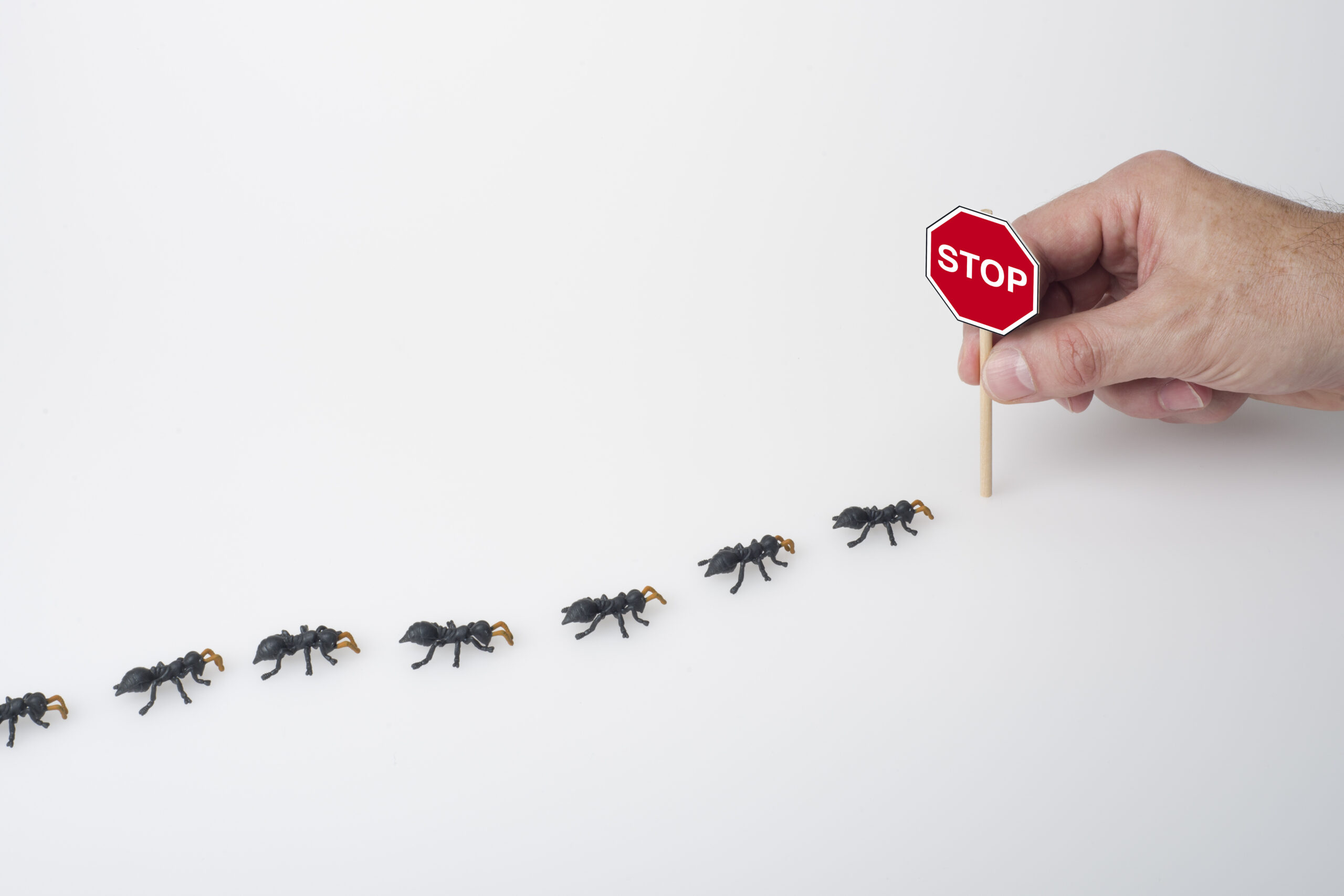
One of the most common summertime pests throughout Reno, Sparks, Carson City, Fernley, Fallon, Dayton, and surrounding communities is the ant.
When temperatures rise, ants become increasingly active in search of moisture. Homeowners often notice long trails of ants leading into kitchens, bathrooms, laundry rooms, or garages where water is available.
Common species include:
- Odorous house ants
- Pavement ants
- Carpenter ants (less common but possible)
- Harvester ants outdoors
Outdoor colonies often move closer to homes as soil dries out.
Prevention Tips
- Repair dripping faucets.
- Seal cracks around foundations.
- Store food in airtight containers.
- Keep countertops clean.
- Eliminate standing water.
Professional treatments are often necessary because eliminating only the visible ants rarely eliminates the colony.
Wasps and Yellow Jackets
Few pests become more aggressive during Northern Nevada summers than wasps.
Paper wasps, yellow jackets, and mud daubers all become increasingly active as colonies grow larger through July and August.
Unlike bees, wasps can sting multiple times and become defensive if nests are disturbed.
Common nesting areas include:
- Roof eaves
- Patio covers
- Decks
- Sheds
- Children’s play equipment
- Attics
- Fences
Late summer is when yellow jackets become particularly problematic because colonies have reached their largest size.
Prevention Tips
- Inspect your home regularly.
- Remove small nests early.
- Keep outdoor garbage tightly sealed.
- Avoid leaving sugary drinks outside.
- Seal wall voids where wasps may enter.
Never attempt to remove a large active nest without proper protective equipment.
Spiders
Although spiders help control other insect populations, nobody enjoys discovering webs throughout their home.
Summer heat increases spider activity because their insect prey becomes more abundant.
Common spiders found in Northern Nevada include:
- Wolf spiders
- Black widow spiders
- House spiders
- Orb weavers
Black widows deserve special attention because their venom can be medically significant.
They commonly hide in:
- Wood piles
- Storage boxes
- Outdoor furniture
- Sheds
- Garages
- Irrigation valve boxes
Prevention Tips
- Reduce clutter.
- Wear gloves when moving stored items.
- Vacuum webs regularly.
- Seal gaps around doors and windows.
- Reduce outdoor lighting that attracts insects.
Earwigs
Earwigs thrive in irrigated lawns and flower beds during the hottest months of summer.
While they don’t spread disease or cause structural damage, large numbers can become a nuisance when they enter homes seeking cooler temperatures.
They often hide beneath:
- Rocks
- Mulch
- Flower pots
- Landscape timbers
- Moist soil
At night, they emerge to feed on plants and decaying organic matter.
Prevention Tips
- Avoid excessive watering.
- Remove yard debris.
- Keep mulch away from foundations.
- Seal entry points.
Crickets
Field crickets become increasingly active as summer progresses.
Although they primarily live outdoors, they frequently enter garages, crawl spaces, and basements during periods of extreme heat.
Their constant chirping can become annoying, and large populations may damage fabrics, paper products, and plants.
Outdoor lighting attracts crickets, which can then attract spiders around the home.
Prevention Tips
- Replace white bulbs with warm-colored LED lighting.
- Keep vegetation trimmed.
- Reduce moisture.
- Seal gaps around garage doors.
Cockroaches
Cockroaches are less common in Northern Nevada than in humid climates, but they certainly exist.
Summer heat encourages cockroaches to seek cooler indoor environments with reliable water sources.
German cockroaches are commonly associated with kitchens and restaurants, while Oriental cockroaches are often found outdoors in damp areas.
Warning signs include:
- Droppings
- Egg cases
- Musty odors
- Nighttime sightings
Cockroaches reproduce rapidly, making early intervention essential.
Prevention Tips
- Eliminate food crumbs.
- Repair plumbing leaks.
- Store pet food properly.
- Empty trash regularly.
- Schedule professional inspections if activity is noticed.
Mosquitoes
Many people assume mosquitoes aren’t a problem in the desert.
However, irrigation systems, decorative ponds, bird baths, clogged gutters, and standing water create ideal breeding sites.
Mosquito populations increase after monsoon moisture and localized summer thunderstorms.
Besides being irritating, mosquitoes can transmit diseases such as West Nile virus.
Prevention Tips
- Empty standing water weekly.
- Clean gutters.
- Maintain swimming pools.
- Use mosquito repellents outdoors.
- Trim dense vegetation.
Even small amounts of water can produce hundreds of mosquitoes.
Fleas
High temperatures combined with pet activity create ideal flea conditions.
Dogs, cats, wildlife, and rodents can all introduce fleas into residential properties.
Once inside, flea populations multiply quickly in carpets, furniture, and pet bedding.
Signs include:
- Pets scratching excessively
- Flea dirt
- Bites around ankles
- Visible fleas on pets
Prevention Tips
- Keep pets on veterinarian-approved flea prevention.
- Vacuum frequently.
- Wash pet bedding weekly.
- Treat both indoor and outdoor areas if necessary.
Rodents
Summer isn’t just insect season.
As temperatures rise, mice and rats begin searching for water and cooler shelter.
Homes provide exactly what rodents need:
- Water
- Food
- Air conditioning
- Nesting material
Rodents contaminate food, damage insulation, chew wiring, and spread disease.
Watch for:
- Droppings
- Gnaw marks
- Scratching noises
- Burrows near foundations
Prevention Tips
- Seal openings larger than ¼ inch.
- Store pet food securely.
- Remove clutter.
- Trim vegetation away from structures.
Professional exclusion work is often the most effective long-term solution.
Boxelder Bugs and Other Occasional Invaders
Although more noticeable in the fall, boxelder bugs often begin increasing their activity during the heat of summer.
Homeowners may also encounter:
- Elm seed bugs
- Stink bugs
- False chinch bugs
- Clover mites
While these pests generally don’t pose health risks, they can become overwhelming when populations explode.
Protecting Your Landscape
Healthy landscapes naturally attract insects.
However, improper irrigation can unintentionally encourage pest problems.
Avoid:
- Overwatering lawns
- Allowing water to pool
- Excessive mulch
- Dense vegetation against foundations
Well-maintained landscapes reduce hiding places while improving overall plant health.
Keep Your Home Sealed
Many pest problems begin with small entry points homeowners never notice.
Inspect:
- Door sweeps
- Window screens
- Utility penetrations
- Garage doors
- Foundation cracks
- Roof vents
Sealing these areas dramatically reduces indoor pest activity.
Schedule Preventative Pest Control
The best time to control summer pests is before they become established.
Routine preventative pest management helps reduce populations before they enter homes and businesses.
A professional pest control technician can identify conditions that attract pests and recommend targeted treatments based on the specific challenges found around your property.
Preventative service often costs far less than dealing with a full infestation after pests have already moved indoors.
Stay Ahead of Summer Pests in Northern Nevada
Northern Nevada’s hot, dry summers are ideal for outdoor recreation—but they’re also prime time for pest activity. Ants search for water, wasps build larger nests, spiders become more visible, mosquitoes breed anywhere moisture is available, and rodents seek relief from the heat inside homes and businesses.
The good news is that most pest problems can be prevented with a combination of good sanitation, proper irrigation practices, routine home maintenance, and professional pest management.
If you’ve started noticing increased pest activity around your property this summer, don’t wait until the problem grows. A proactive inspection and customized treatment plan can help keep your home comfortable, protected, and pest-free throughout the hottest months of the year.
Whether you’re in Reno, Sparks, Carson City, Fernley, Dayton, Fallon, Minden, Gardnerville, or elsewhere in Northern Nevada, staying vigilant during the peak of summer is one of the best ways to protect your family, pets, and property from unwanted pests.