
The Autumn Eviction: Don’t Let The Bugs Bite This Fall!
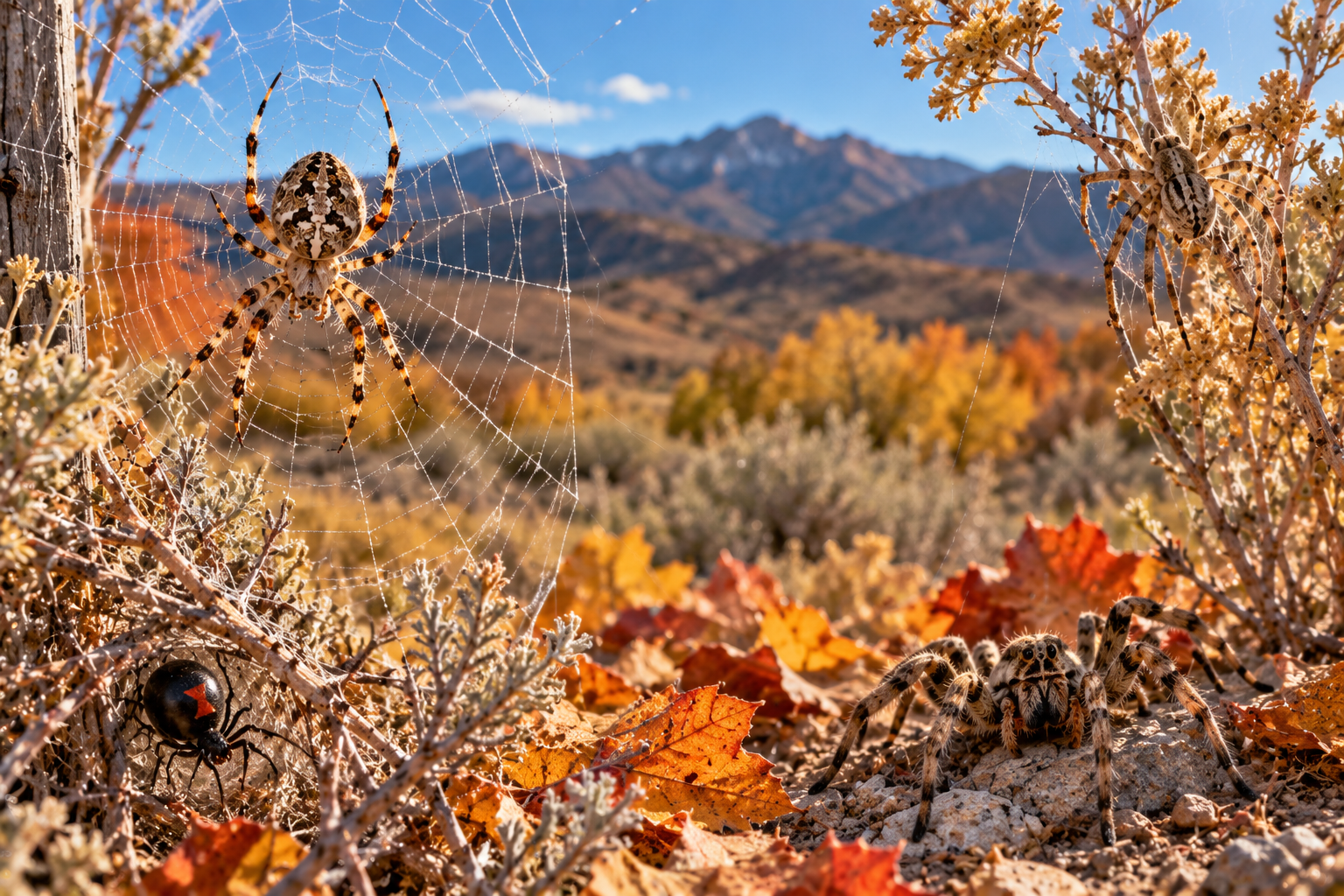
Fall Is Coming: What the Changing Season Means for Pest Control
As summer fades and cooler temperatures arrive, many people look forward to crisp mornings, colorful leaves, cozy evenings, and the start of the holiday season. But while fall may be a welcome change for homeowners, it also brings significant changes in pest behavior.
The transition from summer to fall is one of the busiest times of year for pest activity. Insects and wildlife begin preparing for colder weather, and many pests look for warm, sheltered places to survive the winter. Unfortunately, your home can provide exactly what they need: food, water, warmth, and protection.
Understanding how pests behave in the fall can help you prevent infestations before they begin. With a few proactive steps—and professional help when necessary—you can keep your home more comfortable and pest-free throughout the colder months.
Why Fall Brings Pests Indoors
During summer, many pests can live comfortably outdoors. They find shelter beneath vegetation, inside trees, under rocks, or in the soil. As temperatures drop, however, food becomes harder to find and outdoor conditions become less suitable.
Your home offers an attractive alternative.
Small cracks, gaps around windows, openings near utility lines, damaged screens, vents, attics, crawl spaces, garages, and basements can all provide entry points. Once inside, pests may settle into wall voids, insulation, stored belongings, or other quiet areas.
Some pests enter homes simply to escape the cold. Others may remain active indoors throughout winter, feeding and reproducing in hidden areas. Certain insects, such as ants, cockroaches, and rodents, may be especially difficult to detect until their populations have grown.
Fall pest control is therefore not only about treating pests you can see. It is also about preventing pests from gaining access in the first place.
Common Fall Pests to Watch For
Different pests become more noticeable as the seasons change. Knowing what to look for can help you respond quickly.
Rodents
Mice and rats are among the most common fall invaders. As outdoor temperatures drop, they search for warm nesting sites with access to food and water. Garages, attics, basements, wall voids, and crawl spaces are frequent targets.
A mouse can squeeze through an opening about the width of a dime, which means even small gaps can become entry points. Rodents may enter through cracks in foundations, gaps around pipes, damaged vents, garage doors, or openings beneath siding.
Signs of rodents include:
- Droppings in cabinets, drawers, attics, or along walls
- Scratching or scurrying sounds, especially at night
- Gnaw marks on wires, cardboard, wood, or insulation
- Shredded paper or fabric used as nesting material
- Greasy rub marks along frequently traveled paths
- Unusual odors or stale smells in enclosed spaces
Rodents are more than a nuisance. They can contaminate food, damage wiring, destroy insulation, and spread disease. Early prevention is much easier than dealing with an established infestation.
Spiders
Many spiders become more visible in the fall. Some move indoors while searching for food or shelter, while others are noticed because their webs become more prominent around porches, windows, eaves, and outdoor lights.
Spiders are often attracted to homes because other insects gather there. Exterior lighting can draw flying insects, which in turn provide a food source for spiders.
Reducing outdoor lighting, cleaning webs regularly, sealing gaps, and managing other insects around the home can all help limit spider activity. While most spiders are harmless, an unusually high number of spiders may indicate an underlying insect problem.
Ants
Ant colonies may become more active around homes in the fall as ants search for food and shelter. Some species establish nests near foundations, under patios, inside wall voids, or around plumbing and moisture sources.
Seeing a few ants does not always mean there is a major infestation, but repeated trails should not be ignored. Ants leave scent trails that help other members of the colony find food. What begins as a few insects can quickly become a regular indoor problem.
Keeping food sealed, cleaning spills promptly, repairing leaks, and sealing entry points can reduce ant activity. Professional treatment may be needed when colonies are located inside walls or beneath the structure.
Cockroaches
Cockroaches prefer warm, dark, and moist environments. As outdoor conditions become cooler, they may move indoors through gaps around doors, pipes, drains, and utility lines.
They are especially common in kitchens, bathrooms, basements, laundry rooms, and areas with plumbing. Cockroaches can hide in very small spaces and are often active at night, making an infestation difficult to detect during the early stages.
Warning signs include droppings that resemble coffee grounds, egg cases, shed skins, unpleasant odors, and live or dead insects. Good sanitation is important, but even very clean homes can experience cockroach problems if pests have access to water, shelter, or nearby infested areas.
Overwintering Insects
Some insects seek protected places where they can remain inactive during cold weather. These may include stink bugs, boxelder bugs, cluster flies, lady beetles, and similar seasonal invaders.
They often gather on sunny exterior walls in late summer or early fall before entering through cracks, windows, rooflines, and attic vents. Once inside, they may collect around windows, ceilings, light fixtures, or upper floors.
These pests may not reproduce indoors, but they can be difficult to remove once they have entered in large numbers. Preventing entry before temperatures drop is usually the most effective strategy.
Wasps and Stinging Insects
Wasp activity often changes in late summer and early fall. As colonies mature and natural food sources become less available, some species may become more noticeable around homes, patios, trash containers, and outdoor gatherings.
Nests may be located under roof eaves, inside wall voids, in attics, beneath decks, or underground. Attempting to remove a nest without proper equipment and experience can result in multiple stings.
If a nest is near a doorway, walkway, play area, or frequently used part of the property, contact a pest professional rather than taking unnecessary risks.
Fall Home Maintenance That Helps Prevent Pests
The best fall pest control plan begins outside your home. A thorough inspection and some basic maintenance can eliminate many common entry points.
Seal Cracks and Openings
Inspect the foundation, siding, roofline, windows, doors, and areas around pipes and cables. Seal cracks with an appropriate caulk or masonry sealant. Use steel wool, hardware cloth, or other durable materials where rodents may chew through softer barriers.
Pay special attention to:
- Gaps beneath garage doors
- Torn window screens
- Openings around utility pipes
- Loose or damaged vent covers
- Cracks near the foundation
- Gaps around doors and windows
- Spaces beneath exterior siding
Check the Roof and Attic
Damaged shingles, loose flashing, roof vents, and gaps around chimneys can give pests access to attics. Trim tree branches away from the roof and make sure vents are properly screened.
Attics are appealing to rodents, insects, bats, and wildlife because they are quiet, dark, and often insulated. Inspecting this area before winter can help identify problems while they are still manageable.
Clean Gutters and Downspouts
Leaves and debris can accumulate in gutters during the fall. Clogged gutters retain moisture and may create favorable conditions for insects. They can also cause water to collect near the foundation, increasing the risk of moisture-related pest problems.
Clean gutters regularly and direct downspouts away from the structure. Repair leaks and inspect areas where water tends to pool.
Manage Firewood and Yard Debris
Firewood, leaf piles, fallen branches, and unused outdoor materials can provide shelter for insects and rodents. Store firewood at least several feet away from the home and elevate it off the ground when possible.
Remove unnecessary debris from around the foundation. Keep shrubs and ground cover trimmed so that they do not touch the structure. A clear perimeter makes it easier to spot pest activity and reduces the number of hiding places available.
Protect Food and Remove Water Sources
Pests need food and water to survive. Store pantry items in sealed containers, clean crumbs and spills, and avoid leaving pet food out overnight.
Inside the home, repair dripping faucets and leaking pipes. Outside, empty standing water from flowerpots, buckets, toys, birdbaths, and other containers. Even small amounts of moisture can attract insects.
Why Fall Is an Ideal Time for Professional Pest Control
Fall is an excellent season to schedule a professional pest inspection because it comes before many winter infestations become severe. A trained technician can identify conditions that homeowners may overlook, including hidden entry points, moisture problems, nests, droppings, and early signs of activity.
Professional pest control may include:
- A detailed inspection of the interior and exterior
- Identification of pest species and entry points
- Targeted treatments around the structure
- Rodent exclusion and monitoring
- Sealing recommendations
- Removal of accessible nests
- Preventive applications where appropriate
- Follow-up visits to evaluate results
Preventive treatment is often more efficient and less expensive than emergency treatment after pests have spread throughout a home. It can also reduce the need for repeated indoor applications by addressing problems at their source.
Safe and Responsible Pest Control
Effective pest control should always be performed carefully and responsibly. Homeowners should read and follow all product labels and avoid using pesticides in ways not specifically approved by the manufacturer.
Do not mix pest control products, apply outdoor chemicals indoors, or use more product than directed. Keep children and pets away from treated areas according to label instructions.
Professional technicians can recommend an integrated pest management approach. This combines prevention, sanitation, exclusion, monitoring, and targeted treatment rather than relying on unnecessary chemical applications.
Integrated pest management focuses on solving the conditions that attract pests. That may mean repairing a leak, sealing a foundation crack, changing how firewood is stored, or improving ventilation in a crawl space.
A Simple Fall Pest Prevention Checklist
Before winter arrives, take time to complete the following checklist:
- Inspect and seal cracks around the foundation.
- Replace damaged door sweeps and window screens.
- Repair gaps around pipes, vents, and utility lines.
- Clean gutters and direct downspouts away from the home.
- Trim branches and vegetation away from the roof and siding.
- Store firewood away from the structure.
- Remove leaves, debris, and clutter near the foundation.
- Seal pantry foods in airtight containers.
- Clean crumbs, spills, and pet food promptly.
- Fix plumbing leaks and eliminate standing water.
- Check the attic, basement, garage, and crawl space for signs of pests.
- Schedule a professional inspection if you notice droppings, damage, nests, or unusual sounds.
Prepare Now for a More Comfortable Winter
Fall is a beautiful season, but it is also a critical time for pest prevention. As temperatures decline, rodents, insects, and other pests begin searching for the same things people value most during colder weather: warmth, shelter, food, and water.
By sealing entry points, reducing outdoor harborage, managing moisture, and keeping food properly stored, you can make your home far less attractive to unwanted visitors. A professional inspection can provide additional protection and help identify issues before they become costly infestations.
The sooner you prepare, the better. Taking action in early fall can help you enjoy the season—and the winter that follows—with greater comfort and peace of mind.