
Noxious Weeds in Northern Nevada
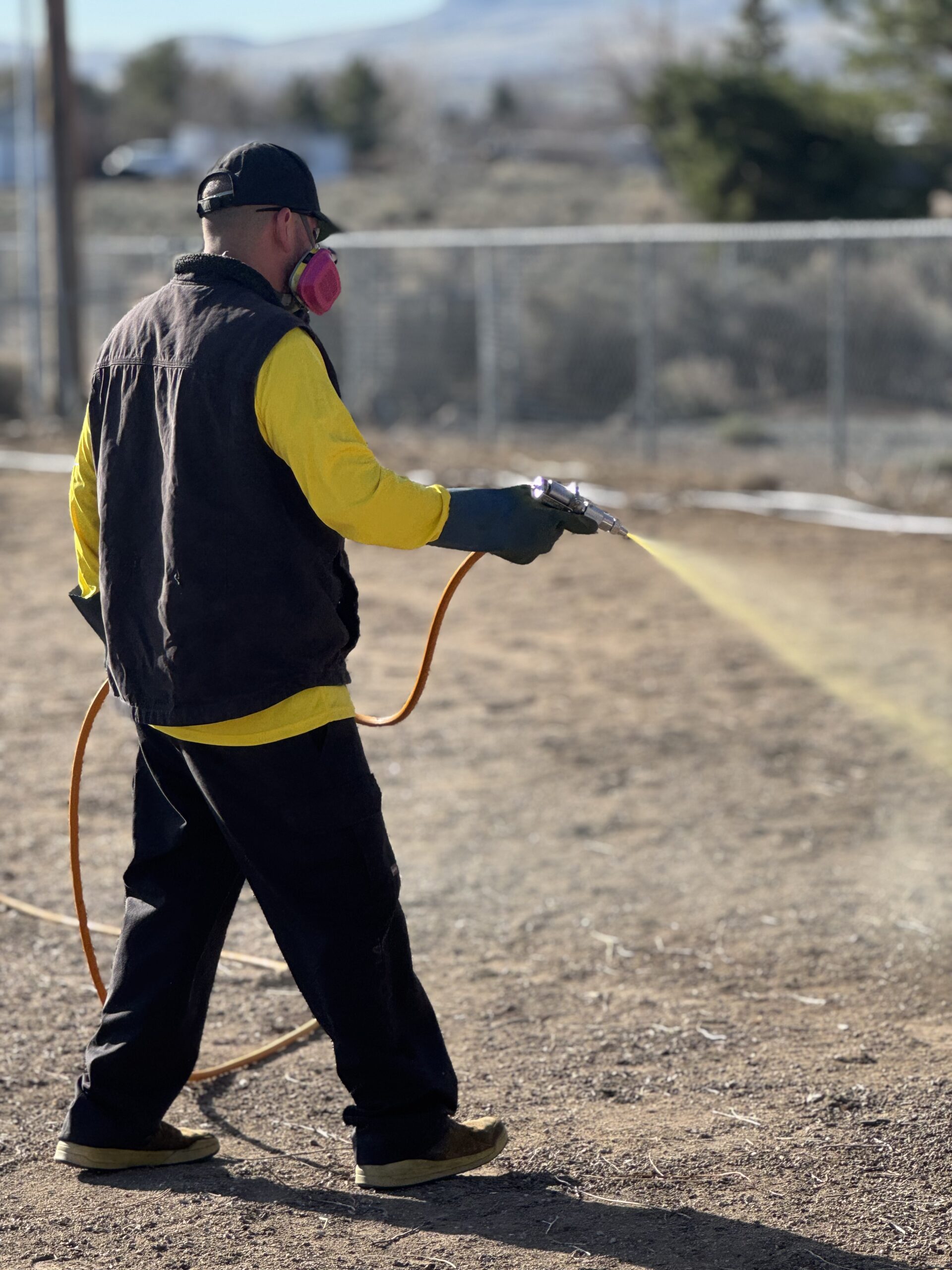
Noxious Weeds in Northern Nevada: Why Early Treatment Matters More Than You Think
If you own property or manage land in Northern Nevada, you’ve likely seen them—fast-growing, stubborn plants that seem to take over overnight. These aren’t just ordinary weeds. Many of them are classified as noxious weeds, and they pose a serious threat to ecosystems, property value, agriculture, and even public safety.
For pest control companies and property owners alike, understanding noxious weeds—and more importantly, treating them early—is essential. In this article, we’ll break down what noxious weeds are, which species are common in Northern Nevada, and why proactive control is one of the smartest investments you can make.
What Are Noxious Weeds?
In Nevada, a noxious weed is legally defined as any plant species that is “detrimental or destructive and difficult to control or eradicate.”
Unlike common weeds, noxious weeds are:
- Highly invasive
- Fast-spreading
- Environmentally and economically damaging
- Often regulated by state law
The Nevada Department of Agriculture classifies these weeds into categories based on how widespread they are and how aggressively they must be controlled.
Importantly, landowners are legally responsible for controlling noxious weeds on their property. This makes professional treatment not just helpful—but often necessary.
Why Northern Nevada Is Especially Vulnerable
Northern Nevada’s climate and landscape create the perfect conditions for invasive species to thrive. Dry soils, frequent disturbances (construction, roadways, wildfires), and strong winds all contribute to rapid weed spread.
Many noxious weeds are highly adapted to:
- Drought conditions
- Poor soils
- Disturbed land
Once established, they outcompete native vegetation and can dominate entire landscapes.
In fact, invasive grasses like cheatgrass have already spread across millions of acres in Nevada, fundamentally altering ecosystems and increasing wildfire risk.
Common Noxious Weeds in Northern Nevada
While Nevada maintains a long list of regulated species, several weeds are especially common across Northern Nevada properties:
- Cheatgrass
An aggressive annual grass that spreads quickly and dries out early in the season, creating highly flammable conditions.
- Russian Thistle (Tumbleweed)
Famous for its rolling seed dispersal, this weed can spread rapidly across open land and disturbed soils.
- Canada Thistle
A deep-rooted perennial that is extremely difficult to eliminate once established.
- White Top (Hoary Cress)
Forms dense patches that crowd out native plants and reduce forage value.
- Knapweed Species
These invasive plants release chemicals into the soil that inhibit the growth of surrounding vegetation.
Many of these species are officially listed by the state and require prioritized control due to their impact.
The Real Dangers of Noxious Weeds
It’s easy to underestimate weeds as a minor nuisance—but noxious weeds create serious, long-term problems.
- Increased Wildfire Risk
Certain invasive grasses dry out earlier than native plants, creating a continuous layer of fuel. This leads to:
- Faster-spreading fires
- Higher fire intensity
- More frequent fire cycles
This “fire cycle” is especially associated with cheatgrass-dominated areas.
- Damage to Property Value
A property overrun with invasive weeds:
- Looks neglected
- Signals poor land management
- Can reduce resale value
For commercial properties, this can also impact customer perception and liability.
- Harm to Agriculture and Livestock
Noxious weeds reduce the productivity of grazing land and cropland by:
- Competing for water and nutrients
- Lowering forage quality
- Introducing toxic species in some cases
Protecting agricultural land is one of the primary reasons Nevada enforces weed control laws.
- Environmental Degradation
Noxious weeds disrupt natural ecosystems by:
- Reducing biodiversity
- Altering soil chemistry
- Displacing native plants
- Interfering with pollinators
Over time, diverse ecosystems can be replaced by monocultures of invasive species.
- Legal and Compliance Issues
Because noxious weeds are regulated, failing to control them can lead to:
- Notices from local authorities
- Required remediation
- Potential fines or enforcement actions
Simply put, ignoring the problem can become expensive quickly.
Why Early Treatment Is Critical
One of the biggest mistakes property owners make is waiting too long to address weeds. By the time weeds are visible and widespread, the problem is already much harder—and more expensive—to solve.
Early Detection = Lower Cost
Small infestations are:
- Easier to treat
- Less expensive to control
- More likely to be fully eradicated
Nevada prioritizes “early detection and rapid response” for exactly this reason.
Preventing Seed Spread
Many noxious weeds produce thousands of seeds per plant. Once they go to seed:
- Infestations multiply rapidly
- Neighboring properties become affected
- Control becomes an ongoing battle
Stopping weeds before they seed is one of the most effective strategies.
Breaking the Growth Cycle
Some species, like Canada thistle, have deep root systems that allow them to regrow year after year. Early, targeted treatment disrupts this cycle before it becomes entrenched.
Professional Treatment vs. DIY Control
While some property owners attempt DIY weed control, noxious weeds often require a more strategic approach.
Challenges of DIY:
- Misidentification of species
- Improper timing of treatment
- Ineffective or incorrect herbicide use
- Failure to address root systems
Benefits of Professional Pest Control Services:
- Accurate identification of noxious species
- Targeted, seasonally timed treatments
- Access to professional-grade herbicides
- Long-term management plans
Many professional services in Northern Nevada tailor treatments based on whether weeds are annual or perennial, ensuring better long-term results.
Integrated Weed Management: The Best Approach
Effective weed control isn’t just about spraying chemicals—it’s about using a combination of strategies, including:
- Chemical control: Targeted herbicide application
- Mechanical control: Mowing, pulling, or cutting
- Biological control: Using natural predators where appropriate
- Cultural practices: Improving soil health and promoting native plants
This integrated approach is widely recommended across Nevada for sustainable, long-term control.
Seasonal Timing Matters
In Northern Nevada, timing is everything when it comes to weed control.
- Early spring: Ideal for targeting young, actively growing weeds
- Late spring/early summer: Prevent seed production
- Fall: Effective for treating perennial root systems
Missing these windows can significantly reduce treatment effectiveness.
Protecting Your Property and Community
Noxious weeds don’t respect property lines. If left untreated, they can spread to:
- Neighboring homes
- Public lands
- Roadsides and infrastructure
That’s why weed control is not just a personal responsibility—it’s a community effort. Agencies across Nevada coordinate weed management programs to limit spread and protect shared resources.
Final Thoughts: Don’t Wait Until It’s Too Late
Noxious weeds in Northern Nevada are more than just an eyesore—they’re a serious threat to land, safety, and long-term property value. The longer they’re left untreated, the more difficult and expensive they become to control.
The key takeaway is simple:
Early identification and professional treatment are the most effective ways to protect your property.
Whether you’re managing a residential yard, commercial property, or large acreage, investing in proactive weed control today can save you significant time, money, and stress down the road.
If you suspect noxious weeds on your property, don’t wait—take action early and stay ahead of the problem.
Need help identifying or treating noxious weeds in Northern Nevada? Progressive Pest Management can assess your property and create a customized plan to keep your land healthy, compliant, and weed-free.