
Don’t Wait for Late-Summer Pests to Become Fall Houseguests
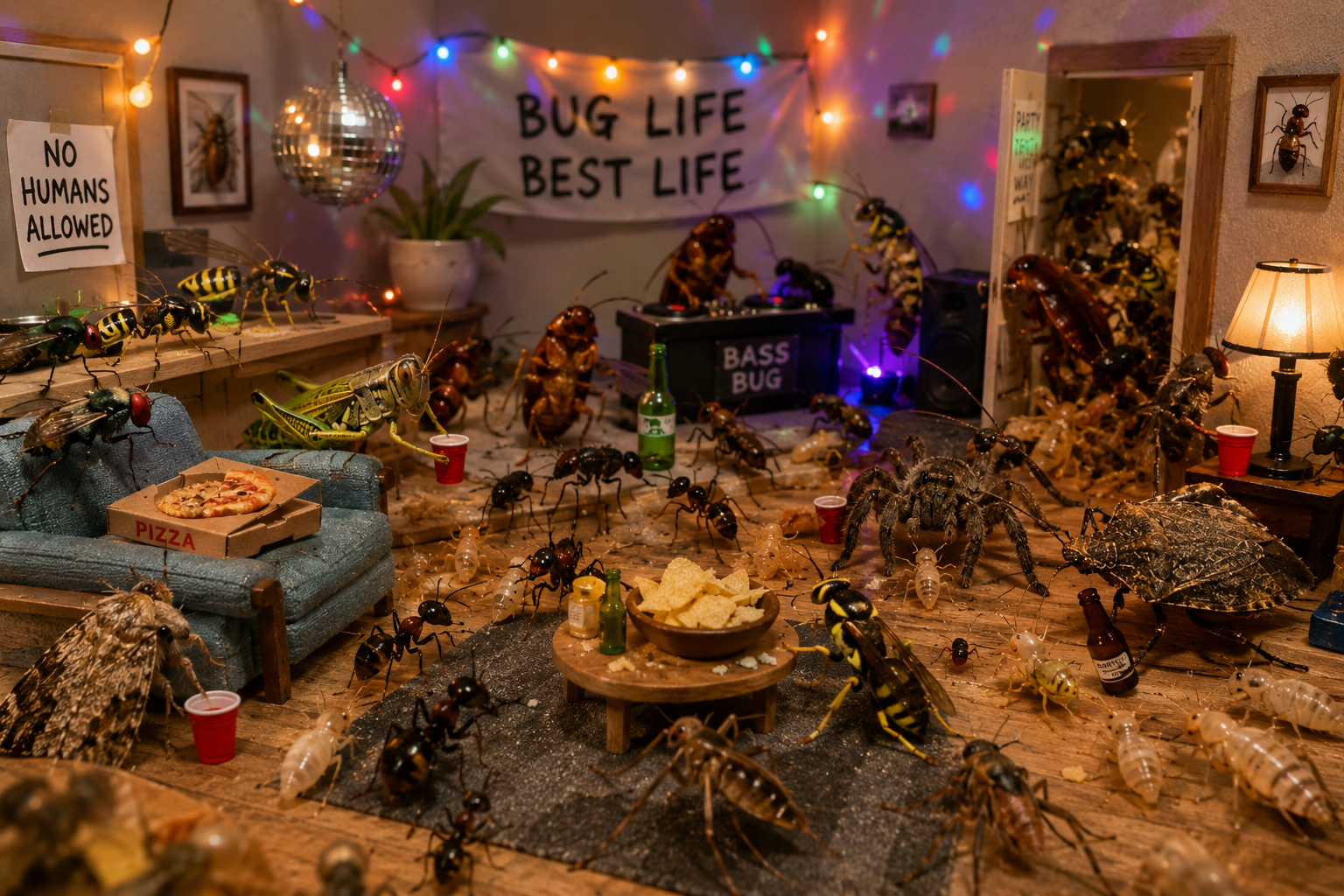
Why Are There So Many Bugs in My House at the End of Summer? A Northern Nevada Pest Guide
Seeing more bugs around your Northern Nevada home? Learn why spiders, ants, cockroaches, wasps, and rodents become more noticeable in late summer and how professional pest control can help protect your home.
If it feels like bugs suddenly start showing up everywhere toward the end of summer, you’re not imagining it.
One day, your Northern Nevada home seems relatively pest-free. The next, you’re finding spiders in the corners, ants marching through the kitchen, wasps hovering around the backyard, or cockroaches appearing where you definitely don’t want them.
Late summer can be one of the busiest times of year for pest activity in Northern Nevada. Long stretches of hot, dry weather, changing food and water sources, mature insect populations, and the approaching cooler temperatures of fall can all influence where pests go—and unfortunately, your home can become an attractive destination.
At Progressive Pest Management, we understand the unique pest pressures homeowners face throughout Northern Nevada. Knowing why pest activity increases toward the end of summer can help you protect your home now and prevent bigger pest problems as we head into fall.
Why Pest Activity Changes in Late Summer
Northern Nevada summers can be hot and extremely dry. While we’re used to the heat, pests are constantly searching for the same basic necessities we are: food, water, and shelter.
As natural water sources dry up and vegetation changes, insects and other pests may begin moving closer to irrigated landscapes, lawns, gardens, homes, garages, and other structures.
Your home can provide exactly what they’re looking for.
A small plumbing leak can provide moisture. Pet food can provide a reliable meal. A crack around a door can provide an entrance. A garage full of boxes can provide shelter.
Late summer is also the time when many pest populations have had months to reproduce and grow. That can make pest activity much more noticeable in August and September than it was earlier in the season.
And then there’s fall.
As nighttime temperatures begin dropping, some pests start searching for protected places where they can survive cooler weather. Your home, garage, crawlspace, shed, or commercial building can look like prime real estate.
- Spiders Become Much More Noticeable
One of the biggest late-summer complaints we hear is about spiders.
You may suddenly notice webs around exterior lights, garages, patios, windows, fences, sheds, and landscaping. You might also find spiders wandering indoors.
Why so many spiders?
In many cases, an increase in spiders is connected to an increase in their food supply. Spiders feed on insects, so a property with plenty of insect activity can become a great hunting ground.
Late summer is also when some spiders are larger and more noticeable than they were earlier in the season.
Exterior lights can make the problem worse. Lights attract flying insects at night, and those insects attract spiders. Before long, the area around a porch light can turn into an all-you-can-eat buffet.
Reducing the insects around your property can therefore play an important role in reducing spider activity.
- Ants May Head Indoors Looking for Food and Water
Ants are another common warm-weather pest throughout Northern Nevada.
During hot, dry periods, ants may travel farther from their nests looking for reliable sources of water and food. Kitchens, bathrooms, laundry rooms, pet feeding areas, and areas around plumbing can all become attractive.
The frustrating thing about ants is that killing the handful you see doesn’t necessarily solve the problem.
Those ants may simply be workers traveling between a larger colony and a food or water source. Spraying visible ants with a store-bought product might temporarily reduce what you see while leaving the colony itself untouched.
That’s why effective ant management starts with identifying the species, locating activity patterns, removing attractants when possible, and using the appropriate treatment strategy.
- Cockroaches Love Food, Water, and Shelter
Finding a cockroach inside your home can be unsettling—and seeing one may indicate that others are nearby.
Cockroaches are highly adaptable pests. Warm temperatures can increase their activity and reproduction, while dry outdoor conditions can encourage some species to search for dependable moisture sources.
Inside a home, cockroaches may find everything they need to survive.
Crumbs beneath appliances, grease around cooking areas, garbage, pet food, cardboard boxes, plumbing leaks, and dark protected spaces can all contribute to favorable conditions.
Cockroaches are also excellent at hiding. Depending on the species, they may shelter behind appliances, beneath sinks, around plumbing penetrations, inside cabinets, in garages, or within small cracks and crevices.
Seeing repeated cockroach activity is something homeowners should take seriously. Early treatment is typically much easier than allowing a population to become established.
- Wasps and Yellowjackets Can Become a Bigger Problem
Late summer is prime time for wasp and yellowjacket activity.
Colonies that began developing earlier in the year may now contain large numbers of workers. At the same time, their feeding behavior can change as summer progresses.
That’s why yellowjackets can suddenly seem extremely interested in your barbecue, soda, trash cans, outdoor dining area, or backyard gathering.
They may be attracted to sugary drinks, meat, garbage, pet food, and other readily available food sources.
Nests can also be located in places homeowners don’t immediately notice, including wall voids, rooflines, eaves, sheds, trees, landscaping, and underground areas.
Be especially careful around suspected nests. Disturbing a nest can trigger defensive behavior, and multiple stings can be dangerous.
- Rodents May Start Looking for Their Fall Home Early
Mice and rats aren’t just winter pests.
Late summer is an excellent time to start thinking about rodent prevention because waiting until rodents are already living inside your home makes the problem much more difficult.
As seasons change, rodents begin taking advantage of protected areas that provide shelter and reliable access to food.
Garages, sheds, crawlspaces, attics, storage areas, and outbuildings can all provide opportunities.
And rodents don’t need a wide-open door to get inside.
Small gaps around utility penetrations, damaged vents, worn weather stripping, garage doors, foundations, and other structural openings can provide entry points.
Late summer is a great time to inspect your home for potential rodent access before colder weather arrives.
- Your Landscaping Could Be Inviting Pests Closer
Sometimes the problem isn’t what’s happening inside your home—it’s what’s happening directly outside it.
Overgrown shrubs touching the structure, heavy vegetation against the foundation, stacked firewood, accumulated debris, standing water, leaking irrigation systems, and clutter can all create pest-friendly environments.
Pests living comfortably right against your house don’t have very far to travel before finding an entry point.
Consider keeping vegetation trimmed away from the structure, correcting excessive moisture issues, removing unnecessary clutter, and storing firewood away from the home when practical.
You don’t need to turn your yard into a barren desert. The goal is simply to reduce the conditions that allow pests to thrive immediately next to your house.
Why Do Bugs Keep Getting Inside?
Even a clean home can have pest problems.
Pests aren’t necessarily entering because your house is dirty. They’re entering because they found an opportunity.
Common entry points include:
- Gaps beneath exterior doors
- Damaged weather stripping
- Cracks around windows
- Openings around plumbing and utility lines
- Torn window or door screens
- Garage door gaps
- Foundation cracks
- Roofline openings
- Vents without proper screening
Some of these openings can be surprisingly small.
That’s why pest prevention works best when treatment and exclusion work together. Controlling existing pest populations is important, but reducing the ways pests can enter can provide even better long-term protection.
Why Store-Bought Pest Sprays Aren’t Always the Answer
When someone sees a bug, the first instinct is often to grab a can of insect spray.
While over-the-counter products can kill certain pests they contact, killing individual insects isn’t necessarily the same thing as solving the underlying pest problem.
If you’re continually seeing ants, cockroaches, spiders, or other pests, there’s usually a reason.
Where are they coming from?
What is attracting them?
Where are they nesting or hiding?
How are they entering the structure?
Are environmental conditions contributing to the problem?
Professional pest management focuses on answering those questions rather than simply spraying every bug that appears.
Correct pest identification is especially important because different pests require different treatment strategies. What works for one species may not be the best solution for another.
Don’t Wait Until Fall to Think About Pest Prevention
One of the biggest mistakes homeowners make is assuming pest control isn’t necessary once summer starts winding down.
In reality, late summer can be one of the most important times to protect your property.
Pest activity doesn’t suddenly stop when September arrives.
Instead, the type of pest pressure may change.
Outdoor insects may begin seeking protected areas. Spiders may follow insect activity. Rodents may search for shelter. Existing pest populations can continue reproducing in protected indoor environments.
Taking action before temperatures drop can help prevent pests from turning your home into their winter retreat.
Simple Late-Summer Pest Prevention Tips
There are several things Northern Nevada homeowners can do right now to make their property less attractive to pests:
Check doors and windows. Replace damaged weather stripping and repair torn screens.
Inspect your foundation. Look for cracks, gaps, and utility openings that could allow pests inside.
Reduce standing water. Check irrigation systems, outdoor containers, drains, and other areas where moisture collects.
Trim landscaping. Keep shrubs, tree branches, and heavy vegetation from touching the structure when possible.
Manage garbage. Keep trash containers closed and clean up spills and food debris.
Store pet food properly. Avoid leaving pet food outside overnight and use sealed containers for storage.
Reduce clutter. Cardboard boxes and undisturbed storage areas can provide excellent hiding places for pests.
Watch your garage. Garages are one of the easiest places for pests to enter before eventually finding their way into the home.
Most importantly, pay attention to repeated pest sightings. Seeing the same type of pest over and over can be a sign that the problem is more than an occasional visitor.
Protect Your Northern Nevada Home with Progressive Pest Management
Living in Northern Nevada means enjoying beautiful landscapes, sunny days, warm summers, and four distinct seasons.
Unfortunately, we’re not the only ones who enjoy living here.
Spiders, ants, cockroaches, wasps, rodents, and other unwanted pests are part of our environment. The goal of professional pest management isn’t to pretend pests don’t exist—it’s to keep them where they belong: outside your home.
At Progressive Pest Management, we understand Northern Nevada pest activity because this is our community too. We know how local weather, seasonal temperature changes, landscaping, and the high-desert environment can influence pest behavior throughout the year.
Whether you’ve suddenly noticed spiders everywhere, discovered ants in the kitchen, spotted cockroaches, are dealing with aggressive wasps, or simply want to prevent pests from moving indoors this fall, we’re here to help.
Don’t wait for late-summer pests to become fall houseguests.
Contact Progressive Pest Management today to schedule your pest control service and help protect your home through the end of summer, into fall, and beyond.