
Beat the Heat & the Roaches
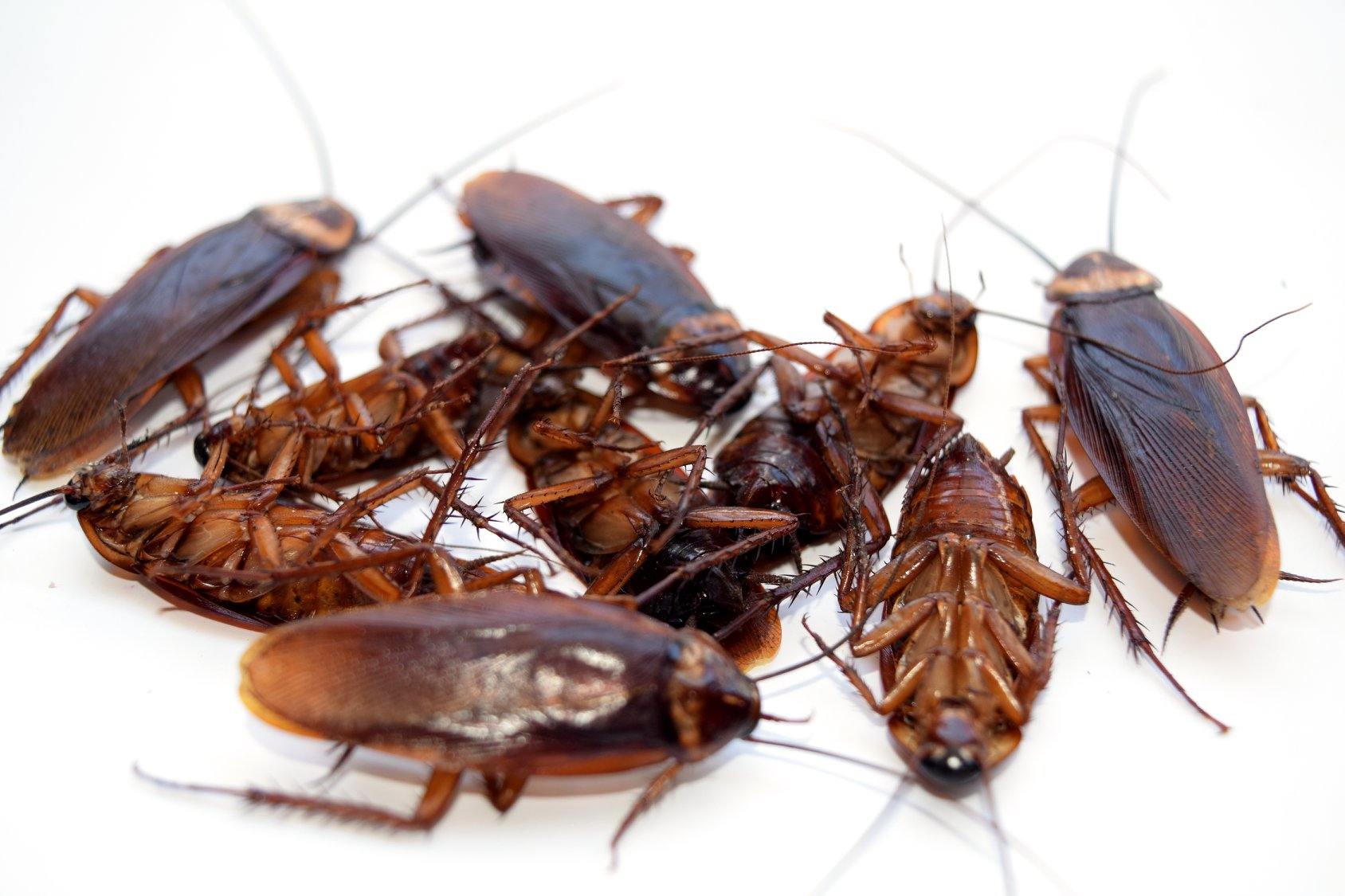
Cockroaches in Northern Nevada: How Warm Weather Can Increase Roach Activity
When people think about cockroaches, Northern Nevada may not be the first place that comes to mind. Our dry climate, cold winters, and high-desert environment might seem like the last place cockroaches would thrive. Unfortunately, cockroaches are highly adaptable pests, and homes and businesses throughout Reno, Sparks, Carson City, and surrounding Northern Nevada communities can still experience infestations.
And when the weather heats up, cockroach activity can become much more noticeable.
Nevada has experienced increasing temperatures and more extremely hot days, particularly in northwestern Nevada. The number of days exceeding 95°F has increased across the state, with some of the largest increases occurring in northwestern Nevada.
For cockroaches, warm conditions can mean increased activity, faster development, more opportunities to reproduce, and greater pressure to find dependable sources of food and water. For Northern Nevada property owners, that makes summer an important time to watch for signs of a cockroach problem.
Why Warm Weather Matters to Cockroaches
Cockroaches are cold-blooded insects, meaning their activity and development are strongly influenced by the temperature around them.
During cooler conditions, their development and reproductive activity can slow considerably. Warmer temperatures, on the other hand, generally create much more favorable conditions. Cockroaches perform much better around 80°F to 90°F than they do around 60°F to 70°F.
That is particularly important during a Northern Nevada summer.
While our winters can be cold, summer temperatures throughout the Reno-Sparks area can climb quickly. Buildings, garages, commercial kitchens, warehouses, utility rooms, plumbing areas, dumpsters, irrigation systems, and other protected environments can create conditions where cockroaches can find exactly what they need.
Heat alone doesn’t create a cockroach infestation. But warmer weather can accelerate an existing problem and increase pest activity around a property.
Warm Weather Can Mean More Cockroach Activity
One of the first things homeowners may notice during warmer weather is simply more cockroach activity.
Roaches generally prefer to remain hidden during daylight hours and become active after dark. They can spend the day tucked into cracks, wall voids, cabinets, appliances, plumbing penetrations, drains, cardboard boxes, and countless other protected areas.
Once temperatures become favorable, they may become increasingly active as they search for food, water, and new hiding places.
This is why a homeowner who hasn’t noticed cockroaches during the winter or early spring may suddenly begin seeing them during summer.
Seeing one cockroach shouldn’t automatically be dismissed as a random insect that wandered inside. Depending on the species and situation, there may be additional cockroaches hiding nearby.
Heat Can Speed Up the Cockroach Life Cycle
The bigger concern isn’t simply that warm weather makes cockroaches more active.
Temperature also affects their development.
For example, EPA information on German cockroaches explains that females can produce four to eight egg capsules during their lifetime, with approximately 40 eggs in each capsule.
That reproductive potential is one reason German cockroach infestations can become difficult to control once they are established.
When environmental conditions are favorable and food, water, and shelter are readily available, a relatively small problem can become a much larger infestation.
This is also why waiting to see whether cockroaches “go away on their own” isn’t usually a good strategy.
They may simply be reproducing somewhere you can’t see.
Northern Nevada’s Dry Climate Doesn’t Guarantee Protection
A common misconception is that Northern Nevada is simply too dry for cockroaches.
While our high-desert climate creates challenges for many insects, homes and businesses provide artificial environments that are very different from the surrounding desert.
Think about everything available around a typical property:
- Leaking faucets and plumbing
- Irrigation systems
- Pet water bowls
- Kitchen sinks
- Floor drains
- Dishwasher moisture
- Refrigerator drip pans
- Garbage containers
- Food crumbs and grease
- Cardboard boxes
- Landscaping and organic debris
- Sewer and utility systems
Cockroaches don’t need the entire Northern Nevada environment to be humid. They simply need to locate a protected area that provides the resources necessary for survival.
That could be underneath a kitchen appliance, behind a commercial refrigerator, around plumbing, inside a wall void, or near a drain.
Heat and Drought Can Make Water Especially Important
Northern Nevada summers aren’t only hot—they are frequently extremely dry.
For cockroaches, access to moisture can become a major factor in where they congregate.
That can bring them toward irrigated landscapes, plumbing systems, drains, kitchens, bathrooms, laundry rooms, and other areas where moisture is consistently available.
A tiny plumbing leak that seems insignificant to a homeowner may provide a dependable water source for pests.
Outdoor conditions can also encourage pests to seek more favorable environments around structures. Buildings provide shade, temperature stability, moisture, food, and countless hiding locations.
Your home may feel like relief from the summer heat to you.
Unfortunately, pests can see it the same way.
Common Cockroaches to Watch For
Different cockroach species behave differently, making proper identification an important part of effective treatment.
One of the most concerning indoor species is the German cockroach. These relatively small, light-brown cockroaches typically have two dark stripes behind their head. They are commonly associated with kitchens, bathrooms, food-storage areas, and other locations offering food and moisture.
German cockroaches are especially problematic because of their ability to reproduce rapidly and hide in extremely small spaces.
Another species homeowners may encounter is the much larger American cockroach, which tends to prefer dark, moist environments and can be associated with drains, plumbing, basements, sewers, and similar locations.
Correctly identifying the cockroach matters because treatment strategies can vary significantly depending on the species and where the infestation originated.
Why Cockroaches Are More Than Just an Unpleasant Pest
Nobody wants to walk into the kitchen at night, turn on the light, and watch a cockroach disappear underneath the refrigerator.
But cockroaches aren’t simply disturbing to look at.
Cockroach body parts, feces, saliva, eggs, and shed outer coverings can contain allergens. According to the EPA, cockroach allergens can be particularly concerning for people with asthma and other respiratory conditions.
Cockroaches also spend their time traveling through unsanitary environments before moving across surfaces within homes and businesses.
For restaurants, food-processing facilities, warehouses, apartments, rental properties, healthcare facilities, and other commercial environments, cockroach activity can become an especially serious concern.
Signs You May Have a Cockroach Problem
Seeing a live cockroach is the most obvious warning sign, but it isn’t the only one.
Cockroach droppings, egg capsules, shed skins, unusual odors, dead cockroaches, or repeated nighttime activity can all indicate a potential infestation.
Pay particular attention to warm, dark, protected areas.
Look underneath sinks, around dishwashers, behind refrigerators and stoves, near water heaters, around floor drains, inside cabinets, around plumbing penetrations, and near stored cardboard.
Cardboard deserves special attention. Cockroaches can hide extremely well within corrugated cardboard, which is one reason allowing shipping boxes to accumulate inside a home or commercial facility can contribute to pest problems.
Why Store-Bought Sprays May Not Solve the Problem
When someone sees a cockroach, the natural reaction is often to grab a can of insecticide and spray it.
You may kill the cockroach you can see.
The bigger question is: What about the cockroaches you can’t see?
Successful cockroach management isn’t just about killing individual insects. It requires identifying the species, locating harborage areas, determining where food and moisture are available, monitoring activity, and selecting treatment methods appropriate for the infestation.
Spraying random areas of the home without understanding where the cockroaches are living may fail to reach the actual infestation.
Effective pest management uses a more targeted approach.
It is best to use integrated pest management principles that emphasize prevention, sanitation, monitoring, and appropriate control strategies rather than relying on a single method.
How to Make Your Property Less Attractive to Cockroaches
One of the most effective ways to reduce cockroach pressure is to eliminate the things they need to survive.
Start with moisture.
Repair leaking faucets, pipes, toilets, irrigation components, and appliances. Avoid leaving standing water in sinks overnight when possible.
Next, focus on food.
Clean crumbs and spills promptly, wipe grease from cooking areas, store food in sealed containers, clean beneath appliances, keep pet food properly stored, and empty garbage regularly.
Then eliminate hiding places.
Reduce cardboard storage, clutter, paper bags, and unnecessary materials in kitchens, garages, warehouses, and storage areas.
Finally, look at entry points.
Seal cracks and gaps around doors, windows, plumbing lines, utility penetrations, foundations, and other openings that could provide pest access.
These seemingly small improvements can make a major difference.
Why Professional Cockroach Control Is Important
Cockroach infestations can be stubborn.
They hide in locations that are difficult to access, reproduce quickly under favorable conditions, and can survive on surprisingly small amounts of food.
Professional pest control allows the problem to be approached systematically.
A trained technician can inspect the property, identify the cockroach species, locate likely harborages, determine where activity is concentrated, and develop a treatment strategy based on the conditions found at the property.
That becomes particularly valuable during Northern Nevada’s hottest months when cockroach activity may increase.
Don’t Wait Until a Small Problem Becomes a Big One
Northern Nevada’s climate may be dry, but that doesn’t make our homes and businesses immune to cockroaches.
Warm summer weather can create conditions that favor greater cockroach activity and development. Add readily available food, moisture, shelter, and comfortable indoor temperatures, and cockroaches may have everything they need to establish themselves.
The key is catching the problem early.
If you see cockroaches—or signs that they may be hiding somewhere in your property—don’t wait for the infestation to become obvious.
Cockroaches Don’t Belong in Your Home. We Can Help.
At Progressive Pest Management, we understand the unique pest pressures facing homes and businesses throughout Northern Nevada. Our team can inspect your property, identify problem areas, and develop a professional treatment plan designed to get cockroach activity under control.
Whether you’ve spotted one cockroach or you’re dealing with an established infestation, addressing the problem early can help prevent it from becoming more difficult to manage.
Seeing roaches as Northern Nevada heats up? Contact Progressive Pest Management today to schedule a cockroach inspection and treatment.