
Termites: The Silent Destroyers
Termites: Signs, Damage, and the Best Treatment Options for Your Home
Termites are one of the most destructive pests a homeowner can face. Often called “silent destroyers,” termites can cause extensive structural damage long before homeowners realize there’s a problem. Every year, termites are responsible for billions of dollars in property damage across the United States, and most homeowner insurance policies do not cover termite-related repairs.
For pest control companies, termite protection is one of the most important services offered because early detection and professional treatment can save homeowners thousands of dollars in damage and repairs.
In this article, we’ll cover everything homeowners should know about termites, including how to identify them, the damage they cause, warning signs of infestation, and the most effective termite treatment options available today.
What Are Termites?
Termites are small wood-destroying insects that feed on cellulose, a material found in wood and plant products. While termites play an important role in nature by breaking down dead trees and organic material, they become a major problem when they invade homes and structures.
Unlike ants or other household pests, termites work quietly behind walls, under flooring, and inside structural wood. By the time visible signs appear, significant damage may already exist.
There are several termite species found throughout the United States, but the most common are:
- Subterranean termites
- Drywood termites
- Dampwood termites
Of these, subterranean termites are responsible for the majority of structural damage and are the most common species treated by professional pest control companies.
Why Termites Are So Dangerous
Termites feed continuously and work 24 hours a day. Large colonies may contain hundreds of thousands—or even millions—of termites feeding on a structure at the same time.
Over time, termites can damage:
- Floor joists
- Support beams
- Wall studs
- Wooden siding
- Roofing structures
- Hardwood flooring
- Decks and fences
In severe infestations, termites can compromise the structural integrity of a home and create dangerous safety issues.
One of the biggest challenges with termites is that they often remain hidden for years before detection.
Common Signs of a Termite Infestation
Because termites usually stay out of sight, homeowners should watch carefully for warning signs of activity.
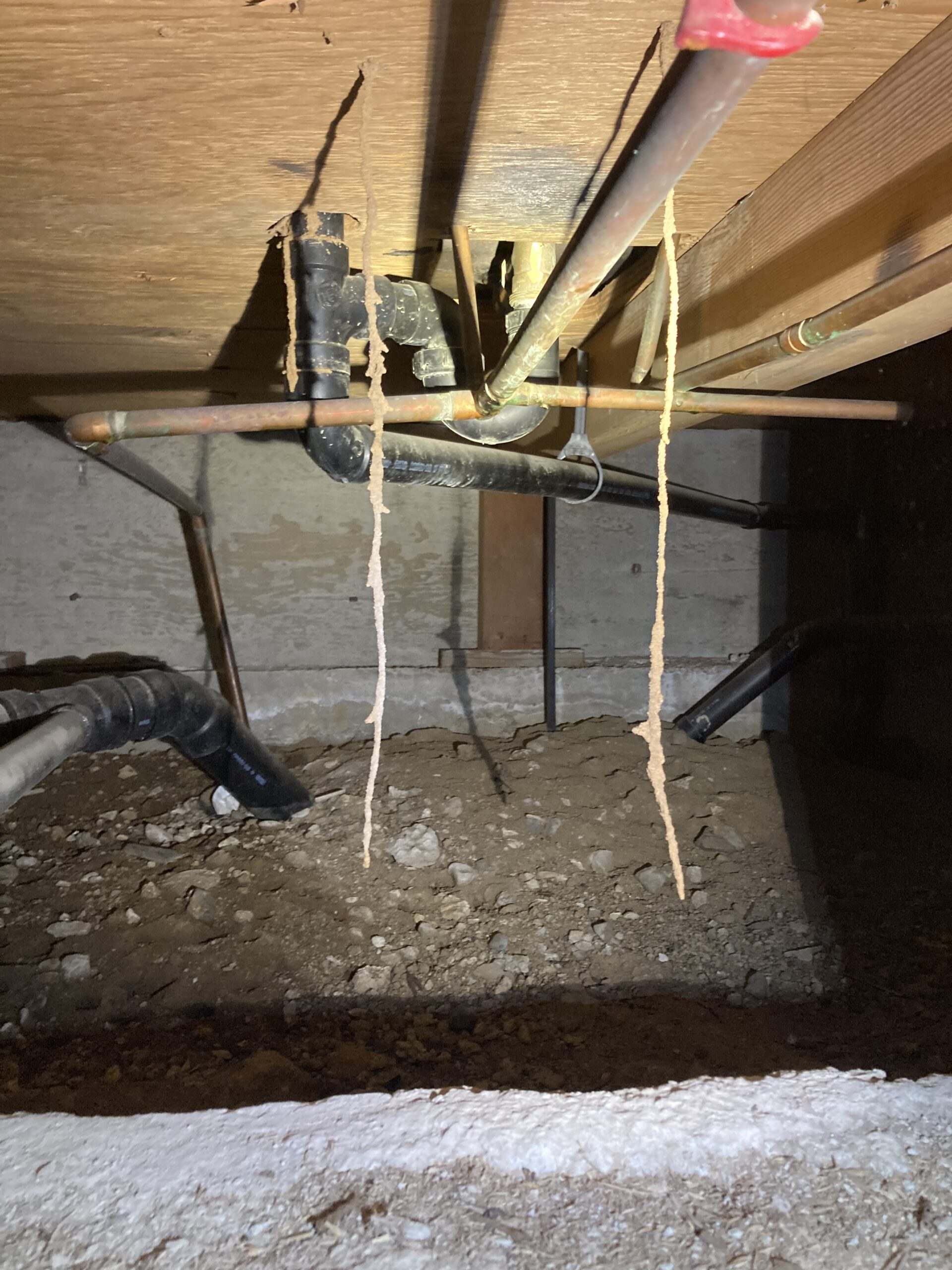
Mud Tubes
Subterranean termites build mud tubes to travel between the soil and wood while staying protected from air exposure.
Mud tubes are commonly found:
- Along foundations
- Crawl spaces
- Basement walls
- Support piers
- Exterior walls
These pencil-sized tunnels are one of the most obvious signs of subterranean termite activity.
Hollow or Damaged Wood
Termites eat wood from the inside out, leaving thin outer surfaces intact.
Signs include:
- Hollow-sounding wood
- Bubbling or uneven paint
- Sagging floors
- Crumbling wood
- Small holes or tunnels
Damaged wood may appear normal on the outside while severe destruction exists internally.
Swarming Termites
During certain times of year, reproductive termites called swarmers leave colonies to start new infestations.
Homeowners may notice:
- Flying termites indoors
- Swarms near windows or lights
- Discarded wings around doors and windows
Swarming termites are often mistaken for flying ants, but they indicate an active nearby colony.
Tight Doors and Windows
As termites damage wood and introduce moisture into structures, wood can warp and swell.
This may cause:
- Doors sticking
- Windows difficult to open
- Uneven floors
- Cracks in drywall
While these symptoms can have other causes, they may also indicate hidden termite activity.
Why DIY Termite Treatments Often Fail
Many homeowners attempt to treat termites themselves using over-the-counter sprays or bait products. Unfortunately, DIY termite control rarely eliminates the entire colony.
Why DIY treatments fail:
- Termites are hidden deep inside structures or underground
- Colonies are difficult to locate
- Surface treatments only kill visible termites
- Large colonies continue reproducing
- Improper application can worsen infestations
Professional termite treatment requires specialized products, equipment, and training to eliminate colonies effectively and protect structures long-term.
Professional Termite Inspection Services
A professional termite inspection is the first step in protecting a home from damage.
During an inspection, pest control professionals look for:
- Active termite activity
- Previous termite damage
- Moisture problems
- Structural vulnerabilities
- Conditions conducive to infestation
Inspections often include:
- Crawl spaces
- Basements
- Attics
- Foundations
- Exterior wood structures
- Garages
Early detection is critical because small infestations are much easier and less expensive to treat than widespread structural damage.
Common Termite Treatment Options
Modern pest control companies use several highly effective termite treatment methods. The best option depends on the type of termite, severity of infestation, construction of the property, and homeowner preferences.
Liquid Termite Treatments
Liquid treatments are one of the most common and effective methods for subterranean termite control.
This process involves applying a professional-grade termiticide around the structure to create a protective barrier in the soil.
How Liquid Treatments Work
Termiticides are applied:
- Around foundations
- Along exterior walls
- Near entry points
- Beneath concrete slabs when necessary
As termites travel through treated soil, they transfer the product throughout the colony, helping eliminate the infestation.
Benefits of Liquid Treatments
Advantages include:
- Immediate protection
- Long-lasting results
- Proven effectiveness
- Colony elimination
- Preventative barrier protection
Many modern liquid treatments remain effective for years when professionally applied.
Termite Baiting Systems
Termite bait stations are another popular treatment option, especially for long-term monitoring and colony elimination.
How Bait Systems Work
Bait stations are installed in the soil around the property. Termites feed on the bait material and carry it back to the colony, where it spreads among other termites.
The bait disrupts termite growth and eventually eliminates the colony.
Benefits of Bait Systems
Advantages include:
- Low environmental impact
- Continuous monitoring
- Colony elimination
- Minimal disruption to landscaping
- Excellent long-term protection
Bait systems are often used as part of ongoing termite prevention programs.
Wood Treatment Applications
For localized termite infestations, direct wood treatments may be used.
This can include:
- Foam injections
- Bora-Care treatments
- Surface wood applications
Wood treatments help protect vulnerable wooden structures and may be used during construction or renovation projects.
Pre-Construction Termite Treatments
One of the best times to protect a property from termites is before construction is completed.
Pre-construction termite treatments involve:
- Treating soil before foundations are poured
- Applying wood protection products
- Installing preventative systems during building
These treatments provide strong long-term protection and are often required by building codes in high-risk areas.
Moisture Control and Prevention
Termites are highly attracted to moisture. Many termite infestations develop because homes have excessive moisture problems.
Professional pest control companies often recommend correcting:
- Leaking pipes
- Poor drainage
- Standing water
- Roof leaks
- Ventilation problems
- Crawl space moisture
Reducing moisture makes homes far less attractive to termites.
Why Ongoing Termite Protection Matters
Even after successful treatment, termites can return if ongoing monitoring and protection are not maintained.
Annual termite inspections are strongly recommended because:
- New colonies can form nearby
- Soil conditions change over time
- Structural vulnerabilities develop
- Early detection prevents costly repairs
Many pest control companies offer renewable termite warranties and monitoring programs for long-term peace of mind.
How Much Damage Can Termites Cause?
Termites can cause enormous financial damage when infestations go untreated.
Repairs may involve:
- Replacing framing
- Structural reinforcement
- Floor replacement
- Drywall repairs
- Roofing repairs
- Exterior siding replacement
In severe cases, repair costs can reach tens of thousands of dollars.
Because homeowner insurance usually excludes termite damage, preventative treatment is often far more affordable than repairs.
Factors That Increase Termite Risk
Some properties are naturally more vulnerable to termites than others.
Common risk factors include:
- Wood-to-soil contact
- Excess moisture
- Mulch against foundations
- Firewood stored near homes
- Poor drainage
- Cracks in foundations
- Crawl spaces with humidity issues
- Older wooden structures
Homes in warm or humid climates also face higher termite pressure year-round.
Tips for Preventing Termites
While professional treatment is the best defense, homeowners can reduce termite risk with preventative maintenance.
Helpful prevention tips include:
- Keep gutters clean
- Repair plumbing leaks quickly
- Store firewood away from the home
- Reduce soil contact with wood siding
- Maintain proper drainage
- Eliminate standing water
- Schedule regular termite inspections
Prevention combined with professional monitoring provides the strongest long-term protection.
Why Homeowners Trust Professional Pest Control Companies
Professional termite control companies provide the expertise, products, and experience needed to protect homes effectively.
Benefits of professional termite services include:
- Accurate inspections
- Customized treatment plans
- Commercial-grade products
- Long-term monitoring
- Preventative protection
- Warranty options
- Expert knowledge of local termite activity
Because termite infestations are often hidden, professional detection tools and experience are critical for identifying problems early.
The Importance of Early Detection
The earlier termites are discovered, the easier and less expensive treatment becomes.
Waiting too long can lead to:
- Extensive structural damage
- Higher repair costs
- Longer treatment times
- Safety concerns
- Decreased property value
Routine inspections help catch termite activity before serious damage occurs.
Protect Your Home With Professional Termite Treatment
Termites are one of the most destructive pests homeowners face, but modern treatment options provide highly effective protection when handled by experienced professionals.
Whether you’re dealing with an active infestation or simply want preventative protection, working with a trusted pest control company can help safeguard your home, your investment, and your peace of mind.
Professional termite inspections, liquid barrier treatments, bait systems, and long-term monitoring programs all play an important role in defending homes against costly termite damage.
If you suspect termite activity or want to schedule a preventative inspection, don’t wait. Early action is the key to protecting your property and avoiding expensive structural repairs in the future.