
What’s that scratchy noise in the wall?
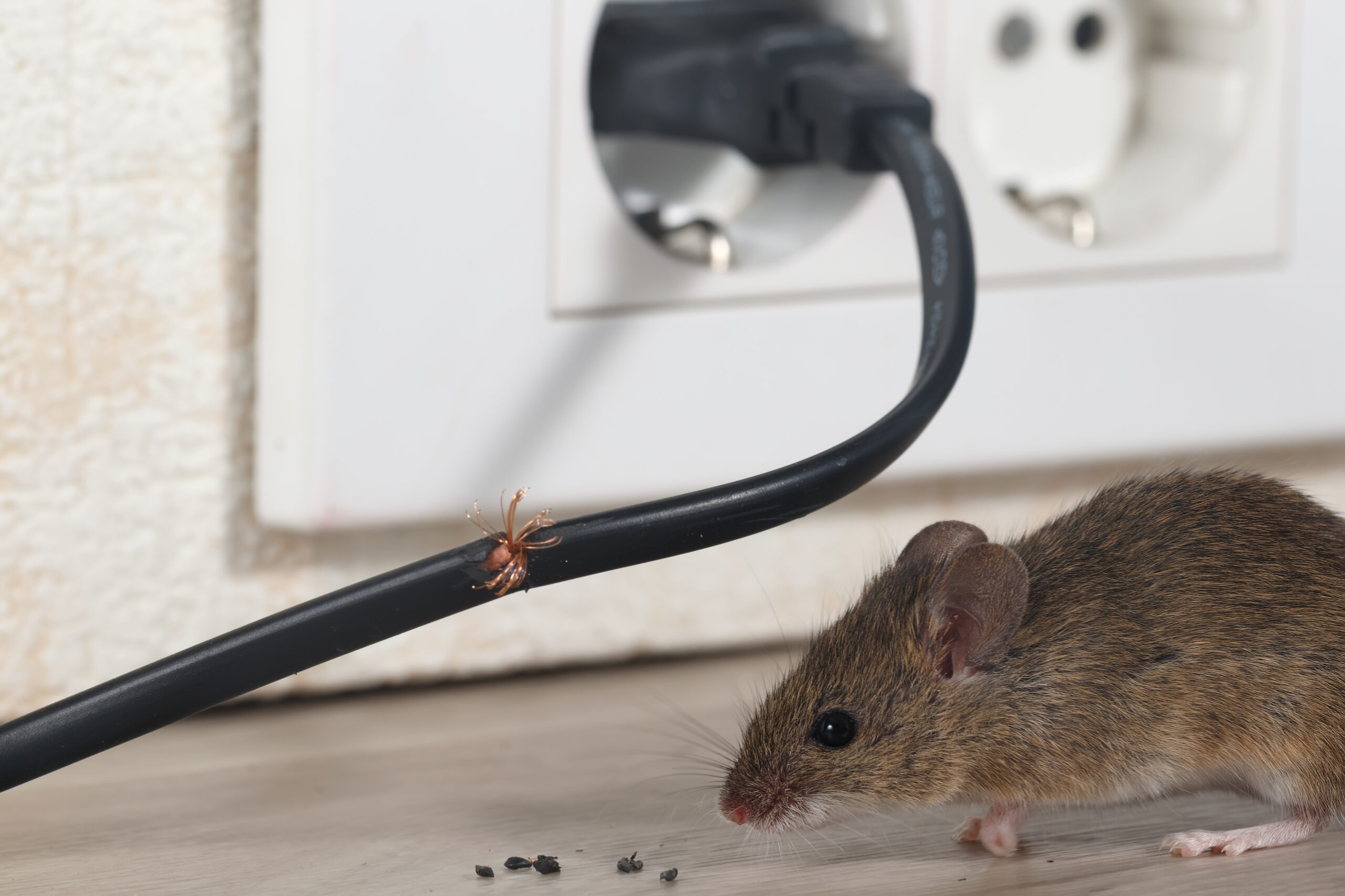
Spring in Nevada brings warmer weather, blooming creosote and sage, and — for many homeowners — an uptick in activity from mice and other rodents. If you manage a property in Northern Nevada, understanding rodent behavior in spring, the risks they pose, and the most effective prevention and control measures will help protect your home, health, and peace of mind. This article explains what to expect, how to spot signs of infestation, and why timely professional intervention matters.
Why rodents become more noticeable in spring
- Breeding season ramps up: For many rodent species found in Nevada, spring marks the start of breeding. Females produce multiple litters per year, and population growth accelerates quickly when conditions are favorable. That means a few mice in March can become a full-blown problem by early summer if left unchecked.
- Food and water sources emerge: Spring vegetation, seeds, insects, and human food waste become more abundant, drawing rodents out of deep hiding. As animals forage for food and nesting materials, they’re more likely to come into contact with homes and businesses.
- Seeking shelter and nesting sites: While desert-adapted rodents like kangaroo rats stay primarily outdoors, commensal species such as house mice and pack rats (woodrats) may seek protected nesting locations. Buildings provide warmth, stable microclimates, and safe places for raising young.
- Increased movement during mild nights: Nevada’s spring nights are milder than winter, encouraging nocturnal rodents to travel farther and more often. This increased activity raises the chance of rodents finding entry points into structures.
Common rodent species in Nevada and their habits
- House mouse (Mus musculus): The most common indoor rodent, house mice are small (about 2.5–4 inches body length), agile climbers, and prolific breeders. They nest inside walls, attics, basements, and cupboards. House mice are opportunistic eaters and readily adapt to human environments.
- Deer mouse (Peromyscus maniculatus): Often found in rural and semi-rural areas, deer mice may move indoors for shelter. They are notable because they can carry hantavirus in some regions — avoid handling them directly.
- Pack rat/woodrat (Neotoma spp.): Known for building large nests (middens) of sticks and debris, pack rats often live outdoors in rock piles or up against foundations but can invade garages, sheds, and attics for nesting materials.
- Roof rat (Rattus rattus): Less common in arid interior Nevada but present in urban/irrigated areas, roof rats prefer elevated areas such as attics and tree branches and are strong climbers.
- Kangaroo rat and other desert rodents: These species are primarily outdoor dwellers and rarely infest homes, but they can be a nuisance around foundations, gardens, and storage areas.
Signs of a rodent infestation
- Droppings: Fresh droppings are dark, moist, and pellet-shaped; older droppings are dry and crumbly. The size and shape vary by species.
- Gnaw marks: Rodents continuously chew to wear down their teeth. Look for gnaw marks on wood, plastic, wire insulation, food packaging, and attic beams.
- Tracks and runways: In dusty or less-traveled areas, you may find small footprints or greasy rub marks along walls where rodents travel.
- Nesting materials: Shredded paper, insulation, fabrics, and dried plant material collected in hidden areas indicate nesting activity.
- Sounds at night: Scratching, scurrying, or thumping in walls, ceilings, or attics are classic signs of rodents moving and building nests.
- Unusual pet behavior: Dogs and cats often alert owners to rodents by pawing at walls or pouncing at doors and cabinets.
- Damage to wiring and insulation: Rodent chewing on electrical wiring can create fire hazards. Insulation pulled into nests reduces its effectiveness and can cause thermal issues.
- Unpleasant odors: Larger infestations produce strong ammonia-like smells from urine and decomposition if animals die inside walls or attics.
Health and property risks
- Disease transmission: Rodents carry fleas, ticks, mites, and sometimes pathogens harmful to humans and pets (e.g., hantavirus, leptospirosis, salmonella). Avoid direct contact with droppings or nesting materials and take precautions during cleanup.
- Allergens: Rodent dander, droppings, and urine can exacerbate asthma and allergies.
- Fire risk: Rodents chewing through electrical wires can create short circuits and potential fire hazards.
- Food contamination and structural damage: Rodent activities contaminate stored foods and damage insulation, ductwork, and structural materials.
- Long-term infestations: Uncontrolled populations become harder to remove and more costly to fix due to the compound damage they cause.
Prevention: practical steps for Nevada homes in spring
- Seal entry points: Inspect the exterior of your home for gaps larger than 1/4 inch. Rodents can squeeze through surprisingly small spaces. Seal around pipes, vents, foundation cracks, and eaves with steel wool, copper mesh, metal flashing, or urethane-based caulk. Replace torn door sweeps and weather stripping.
- Screen vents and chimneys: Use metal mesh to cover attic vents, dryer vents, and chimneys. Ensure that vents are in good condition and properly sealed.
- Manage landscaping: Trim tree branches and shrubs at least 3–4 feet away from structures to prevent rodents from using them as bridges to roofs and attics. Keep grass and groundcover cut short and remove piles of wood, debris, and stacked materials near the house.
- Eliminate food sources: Store pet food, bird seed, and human food in rodent-proof containers (metal or heavy-duty plastic). Clean up spilled birdseed and secure garbage cans with tight-fitting lids.
- Secure crawl spaces and attics: Cap foundation vents and seal crawl space access points. Keep attics well-ventilated and remove unused insulation or materials that make attractive nesting sites.
- Reduce moisture sources: Repair leaks, ensure proper drainage, and fix clogged gutters. Rodents seek water and are more likely to remain near reliable moisture sources.
- Rodent-proof storage: Keep boxes off the floor in garages and sheds; use sealed plastic bins rather than cardboard, which rodents chew through easily.
Detection and monitoring
- Install monitoring stations around foundations and in attics to detect early activity.
- Regularly inspect attics, basements, and crawl spaces—especially after a season of construction or landscaping that disturbed rodent habitats.
Safe removal and cleanup
- Avoid direct contact with droppings and nesting materials. Wear gloves and a mask when cleaning; ventilate the area first and use a disinfectant spray to wet droppings before removing them.
- Use heavy-duty garbage bags to contain contaminated materials and dispose of them according to local regulations.
- If you suspect hantavirus exposure (deer mice in enclosed spaces), contact your local health department for guidance and seek medical attention if symptomatic.
When to call a professional pest control company
- Large or persistent infestations: Quick, comprehensive action is needed when populations are established. Professionals can identify species, locate entry points, and implement integrated pest management (IPM) strategies.
- Mice in hard-to-reach areas: Attics, wall voids, and crawl spaces require specialized methods to locate nests and remove animals safely.
- Electrical or structural damage: When wiring, insulation, or support structures are compromised, professionals coordinate repairs and safe rodent removal.
- Ongoing prevention and monitoring: A professional can set up long-term exclusion plans, bait stations, and inspection schedules tailored to Nevada climates and local rodent species.
- Health and safety concerns: If you or household members are immunocompromised, elderly, or at higher risk, professional handling minimizes exposure to contaminated materials.
What to expect from a professional service
- Inspect and identify: A thorough exterior and interior inspection to determine species, nesting sites, and entry points.
- Exclusion work: Sealing gaps, repairing vents, installing screens, and other structural fixes to prevent re-entry.
- Targeted trapping and removal: Use of safe, humane, and effective trapping methods following local regulations.
- Cleanup and sanitization: Proper removal of droppings and contaminated materials and sanitizing affected areas.
- Follow-up visits and guarantees: Regular monitoring and additional treatments as needed; many companies offer warranty periods for exclusion and control work.
Why spring is the best time to act
- Prevent population growth: Addressing a small problem early in spring prevents larger populations and more costly damage later in the season.
- Better access: Mild weather enables technicians to inspect exteriors, perform exclusion work, and make repairs more easily than mid-winter or scorching summer.
- Protect nesting prevention: By reducing attractants and sealing entry points before peak breeding, you reduce the likelihood rodents will establish nests nearby or in your home.
Final tips for Nevada homeowners
- Be proactive: A spring inspection and rodent-proofing session saves money and stress later.
- Combine DIY with professional help: Basic exclusion and sanitation can reduce risk, but an experienced pest control professional provides species-specific strategies and thorough structural fixes.
- Keep records: Note any sightings, droppings, or damage and share these observations with your pest control provider—this helps target solutions quickly.
If you suspect rodents in or around your home this spring, don’t wait. Early action prevents health risks, property damage, and escalating costs. Contact Progressive Pest Management at 775-322-7378 for a professional inspection and customized rodent exclusion plan tailored to Nevada’s unique environment.